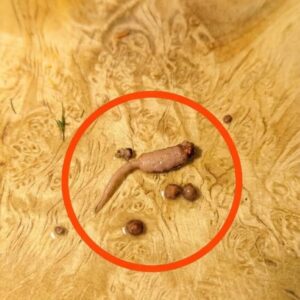
Discovering something unusual in your child’s hair can make any parent worried. Whether it’s an unusual texture, a strange bump, or something moving, it’s natural to feel a sense of urgency to identify the issue and determine the best course of action. Hair-related issues in children can range from harmless to requiring medical attention, so it’s advisable to approach the situation calmly and methodically.
Today, we will explore the common causes of hair-related issues in children, focusing on the possibility of mites or other pests. We will provide guidance on how to identify these issues, when to seek medical advice, and what steps you can take at home to address the problem. If you understand the potential causes and solutions, you can make informed decisions about your child’s health and well-being.
1. Initial Discovery: What Did You Find?
First, carefully examine what you’ve found. If you’ve noticed something unusual in your child’s hair, try to describe it in detail. Is it a small, moving creature, or perhaps a cluster of tiny eggs? Is there a change in the texture or color of the hair? Take note of any accompanying symptoms, such as redness or itching.
You can sse a magnifying glass if necessary to get a closer look. If you suspect the presence of lice or mites, you might see tiny, sesame seed-sized insects or their eggs, which can be about 0.8 mm in length. Documenting these observations can be helpful if you make a decision to consult a healthcare professional.
2. Common Hair Pests in Children
Children are particularly susceptible to certain hair pests due to their close contact with peers and shared environments. The most common pests include head lice, which are small, wingless insects about 2-3 mm in length that live on the scalp and feed on human blood. Lice eggs are often found attached to hair shafts close to the scalp.
Another possibility is mites, such as the scabies mite, which is much smaller, measuring only about 0.2-0.4 mm. Though scabies mites typically burrow into the skin, they can sometimes be found in hair. Understanding the characteristics of these pests can help in identifying the issue.
3. Identifying Mites: Key Characteristics
Mites are tiny arachnids that can be difficult to see with the naked eye. They are often identified by the symptoms they cause rather than their appearance. Scabies mites, for example, are known for causing intense itching and a pimple-like rash. They are typically found in skin folds but can occasionally affect the scalp.
Dust mites, another type of mite, do not live on humans but can cause allergic reactions. If you suspect mites, look for signs of skin irritation or allergic reactions, and consider whether your child has been in environments where mites are common, such as dusty areas or contact with infested individuals.
4. Symptoms to Watch For
When dealing with potential hair pests, it’s important to monitor for symptoms that may indicate an infestation. Common symptoms include persistent itching, redness, and the presence of bite marks or rashes on the scalp or neck. In the case of lice, you might notice small red bumps or sores caused by scratching.
If your child is experiencing severe itching, difficulty sleeping, or signs of an allergic reaction such as swelling or hives, these could be indicators of a more serious issue that may require medical attention. Keep track of any changes in symptoms and their severity over time.
5. Home Remedies and Viral Hacks
There are several home remedies and viral hacks that parents often try to address hair pests. For lice, common methods include applying mayonnaise or olive oil to the hair to suffocate the lice, followed by combing with a fine-toothed nit comb. Essential oils like tea tree oil are also popular for their purported insect-repelling properties.
Though some home remedies can be effective, it’s important to approach them with caution and ensure they are safe for your child. Always perform a patch test before applying any new substance to your child’s scalp, and consult a healthcare professional in case you’re unsure about a remedy’s safety or effectiveness.
6. When to Consult a Doctor
In case home remedies do not alleviate the symptoms or if the infestation seems to be worsening, it may be time to consult a doctor. Persistent itching, open sores, or signs of infection such as pus or swelling are clear indicators that medical advice is needed.
In addition, if your child has a pre-existing skin condition or allergies, it’s important to seek professional guidance to avoid exacerbating the issue. A doctor can provide a definitive diagnosis and recommend appropriate treatments, which may include prescription medications or specialized shampoos.
7. Preventive Measures for Hair Pests
Preventing hair pests needs a combination of good hygiene practices and environmental management. Encourage your children to avoid head-to-head contact with others and to not share personal items like combs, hats, or hair accessories. Regularly washing clothing, bedding, and stuffed animals in hot water can help eliminate any pests that may be present.
In addition, maintaining a clean living environment by vacuuming regularly and reducing clutter can minimize the risk of mite infestations. Educating your child about the importance of personal hygiene and being mindful of their surroundings can go a long way in preventing future issues.
8. Understanding the Risks of Mites
Mites, while small, can pose significant health risks if left untreated. Scabies mites, for instance, can cause severe itching and lead to secondary infections from scratching. Dust mites, although not living on humans, can trigger allergic reactions and exacerbate conditions like asthma.
Understanding the potential risks associated with mites can allow you to take proactive measures to protect your child’s health. Being aware of the environments where mites thrive and taking steps to reduce exposure can mitigate these risks.
9. How Mites Affect Health
Mites can impact health in various ways, depending on the type of mite and the individual’s sensitivity. Scabies mites cause intense itching and a rash, which can cause skin infections if scratched excessively. Dust mites, on the other hand, are known for triggering allergic reactions, resulting in symptoms such as sneezing, runny nose, and itchy eyes.
In some cases, prolonged exposure to mites can worsen respiratory conditions like asthma, particularly in children with pre-existing sensitivities. Understanding these health impacts can help you identify symptoms early and seek appropriate treatment.
10. Treatment Options Available
Over-the-counter treatments for lice include shampoos containing permethrin or pyrethrin, which are effective in killing lice and their eggs. Prescription medications may be necessary for more severe cases or for mites like scabies.
In addition to topical treatments, oral medications may be prescribed for certain mite infestations. It’s important to follow the treatment plan as directed by a healthcare professional to ensure complete eradication of the pests and to prevent re-infestation.
11. Long-term Care and Monitoring
After treatment, it’s crucial to continue monitoring your child’s scalp and overall health to ensure the pests have been completely eliminated. Regularly check for any signs of re-infestation and maintain good hygiene practices to prevent future occurrences.
If your child experiences recurring infestations or persistent symptoms, it may be necessary to consult a dermatologist, for further evaluation and management. Keeping a record of treatments used and their outcomes can be helpful in guiding future care decisions.